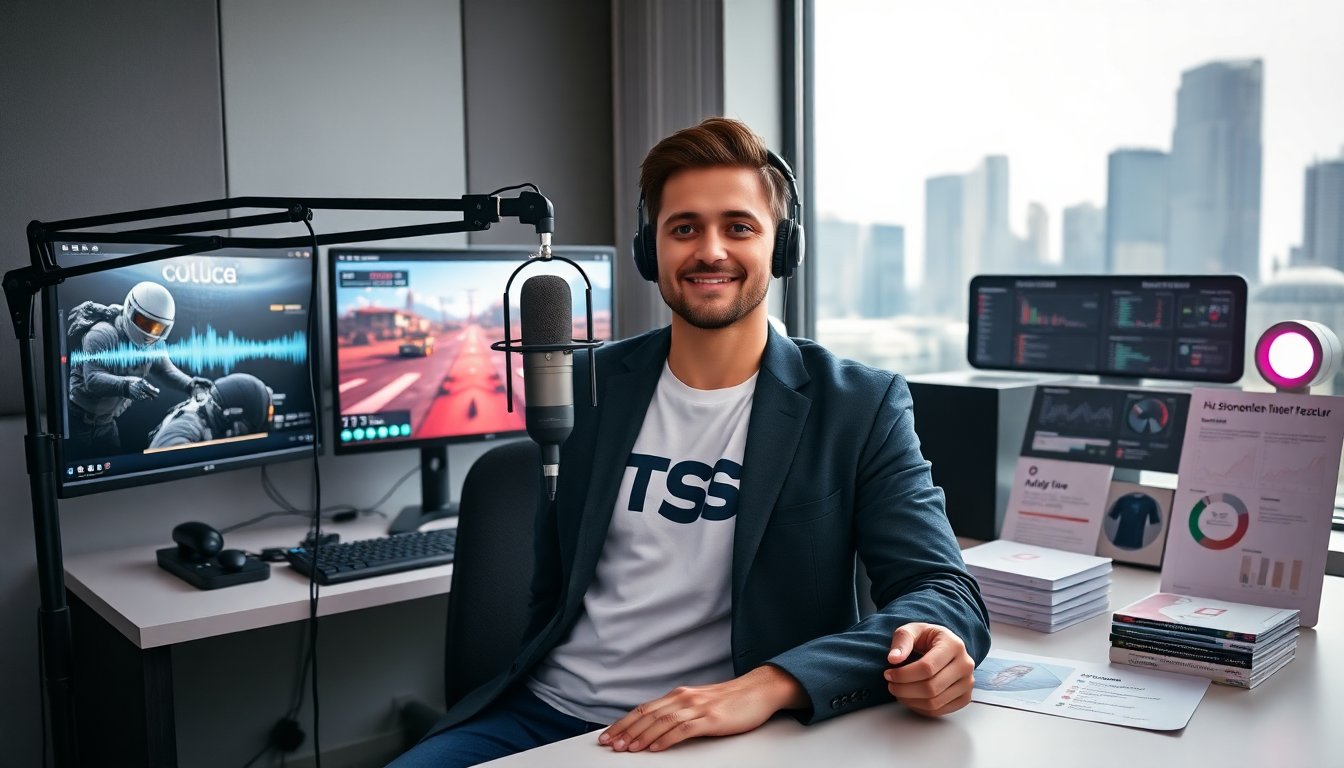
Technology music changes how people create and hear songs. The phrase appears early to set the topic. This article presents clear examples and practical steps. It shows how tools, platforms, and habits shift the music field in 2026.
Key Takeaways
- Technology music transforms creation and listening by blending craft with advanced tools and platforms, reshaping production and promotion roles.
- Artists benefit from mastering digital audio workstations (DAWs) and cloud collaboration tools to streamline music creation and output.
- AI-powered plugins and generative tools enhance composition and mixing, allowing musicians to boost productivity while maintaining artistic identity.
- Streaming algorithms and direct-to-fan tools revolutionize music distribution and revenue, requiring artists to track data and diversify income streams.
- Listeners should balance curated playlists with algorithmic recommendations and support artists directly to foster a sustainable music ecosystem.
- Adopting modular workflows, frequent single releases, and social platform partnerships help artists attract and engage modern audiences effectively.
The New Relationship Between Technology And Music
Technology music shifts the balance between craft and tool. Artists use devices and software to record at lower cost. Producers use cloud systems to share stems instantly. Fans use apps to access vast catalogs and curated lists. Labels use data to decide which songs to promote. Venues use sensors to manage sound and crowd flow. Educators use online lessons to teach technique and theory. Each change alters who can enter the market and how listeners find work. The term technology music helps explain a combined set of tools, practices, and economics. It highlights the link between code, hardware, and musical taste. Companies collect listening data and use it to recommend songs. That data shapes both single hits and long-term careers. Musicians adapt by learning software, managing online profiles, and building direct links with fans. The shift favors those who mix craft with platform skills. Technology music hence redefines roles in production, promotion, and performance.
Tools That Are Changing How Music Is Made
Technology music relies on new tools that reduce friction and speed up iteration. Home studios now include high-quality microphones and interfaces that connect to laptops. Cloud-based DAWs let collaborators work on the same session from different cities. Sample libraries grow every month and give producers more textures. Mobile apps allow song sketches on trains or in cafes. These tools make it easier for artists to test ideas and release work faster. They also raise questions about originality and craft. Artists who use these tools still need musical judgment and song sense to create value. Technology music accelerates experimentation, but taste remains central.
AI, Generative Tools, And Smart Plugins
Smart plugins and generative systems now assist composition, arrangement, and mixing. AI can suggest chord progressions, generate drum patterns, and propose vocal melodies. Producers use these suggestions as starting points. Artists edit AI output to match their voice and intent. Generative tools speed up proof-of-concept work and reduce time spent on routine tasks. Smart plugins automate noise reduction, dynamic control, and stereo imaging. They free engineers to focus on creative choices. Technology music hence blends human intention with automated assistance. Users must set boundaries and credit practices when they publish. Rights and attribution remain active legal and ethical topics. Musicians who learn to guide these tools gain a real advantage in output and polish.
How Technology Is Transforming Listening, Distribution, And Revenue
Technology music changes how fans find and pay for songs. Streaming platforms use algorithms to recommend tracks and create playlists. Curators and influencers still shape taste, but data now amplifies reach. Direct-to-fan tools let artists sell merch, tickets, and exclusive tracks without a label. Blockchain and micro-payments test new revenue flows, though adoption varies. Podcasting and short-form video drive attention cycles that favor short, catchy hooks. Digital distribution reduces release friction and enables global access. That access brings both opportunity and competition. Revenue per stream often remains low, so artists diversify income with sync licensing, live shows, and fan subscriptions. Labels and aggregators adapt by offering marketing, playlist pitching, and analytics. Technology music so affects where money comes from and how teams track it. Creators must track metrics, build audiences, and design release strategies that match platform behavior.
Emerging Trends And Practical Steps For Artists And Listeners
Technology music continues to evolve around a few clear trends. Artists use modular workflows that combine hardware, software, and online services. They release singles more often and test audience response with data. They partner with creators on social platforms to reach new listeners. Listeners expect on-demand access, high-quality audio, and personalized lists. They also value live experiences and exclusive content.
Practical steps for artists:
- Learn one DAW well and one cloud collaboration tool. This reduces setup time and improves output.
- Use AI tools to generate ideas, then edit the output to add a clear artistic voice. That approach increases productivity without losing identity.
- Build a simple analytics dashboard to track streams, playlist adds, and follower growth. Data guides promotion choices.
- Offer direct merchandise, tiered subscriptions, or virtual shows to diversify revenue.
Practical steps for listeners:
- Use curated lists and algorithmic recommendations side by side. That mix helps discover unknown artists and enjoy favorites.
- Support artists directly when possible through purchases, event attendance, or platform tipping. That behavior improves artist income even though low per-stream rates.
- Choose services that match listening habits: lossless audio for critical listening, mobile-friendly apps for commute listening.
Technology music will continue to change the tools and routes for creation and distribution. Artists and listeners who act with clear goals and simple workflows will get the most value from these changes.